DIYables Button Module for Arduino, ESP32, ESP8266, Raspberry Pi - Tactile Switches for Electronics Projects, 5-Pack
 Click to zoom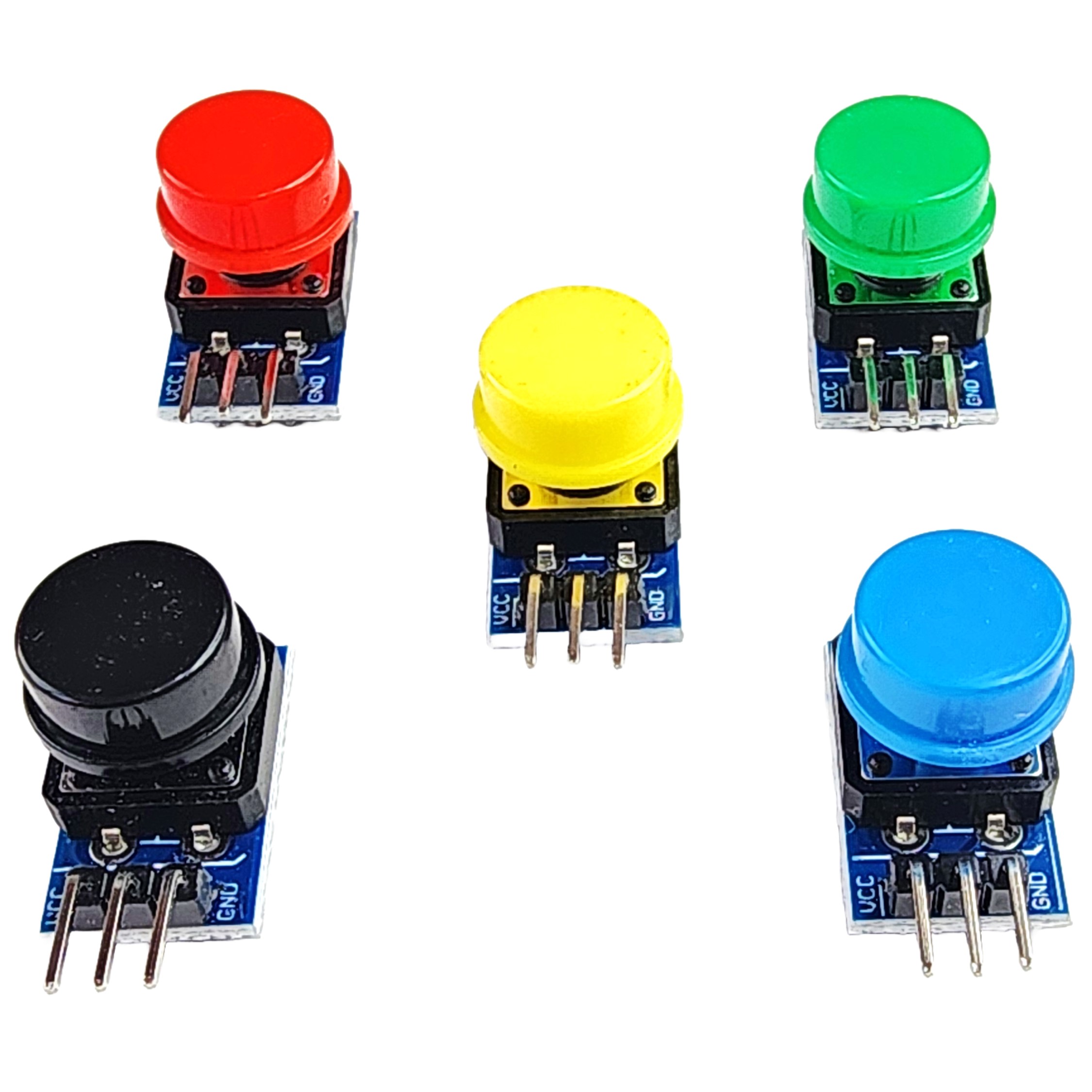
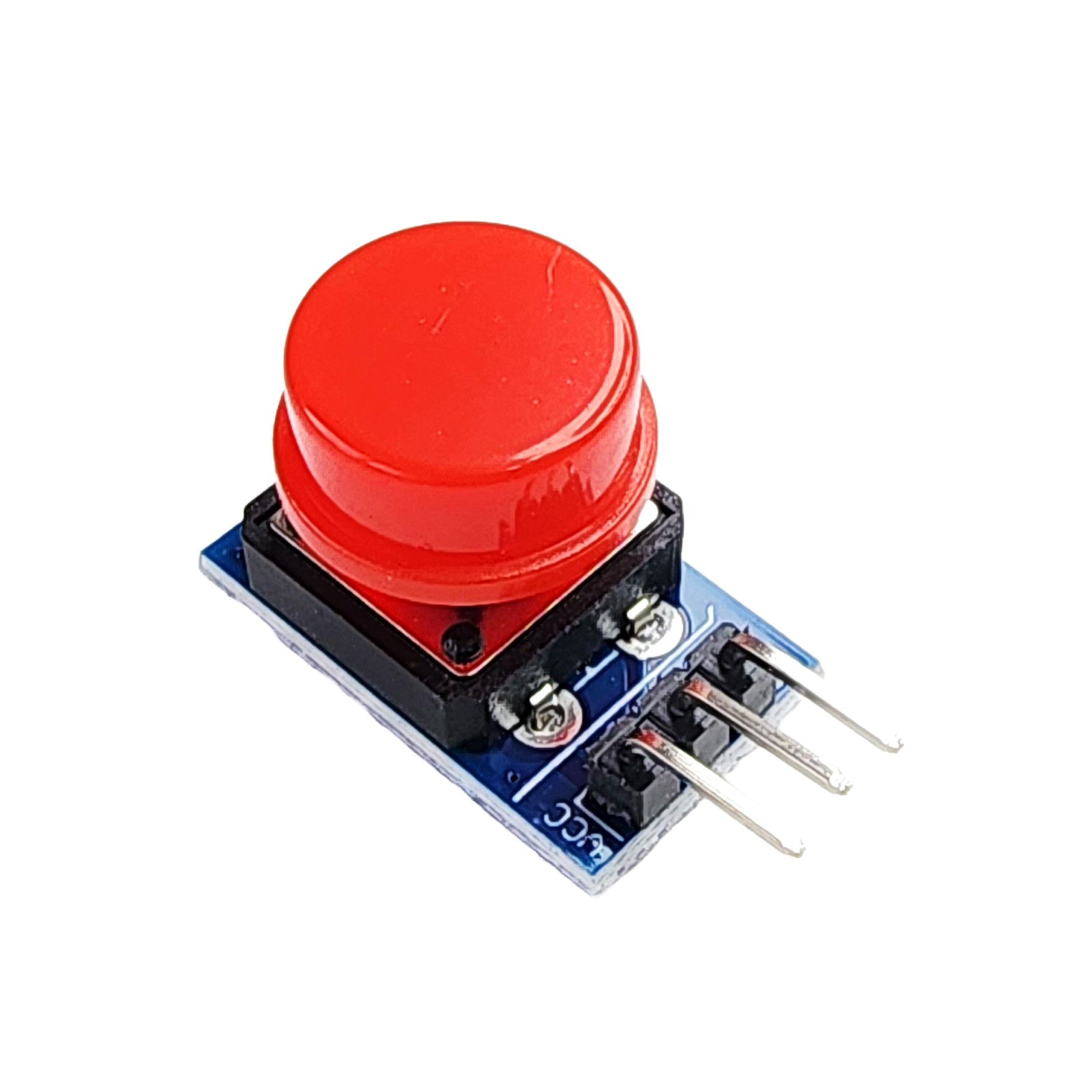
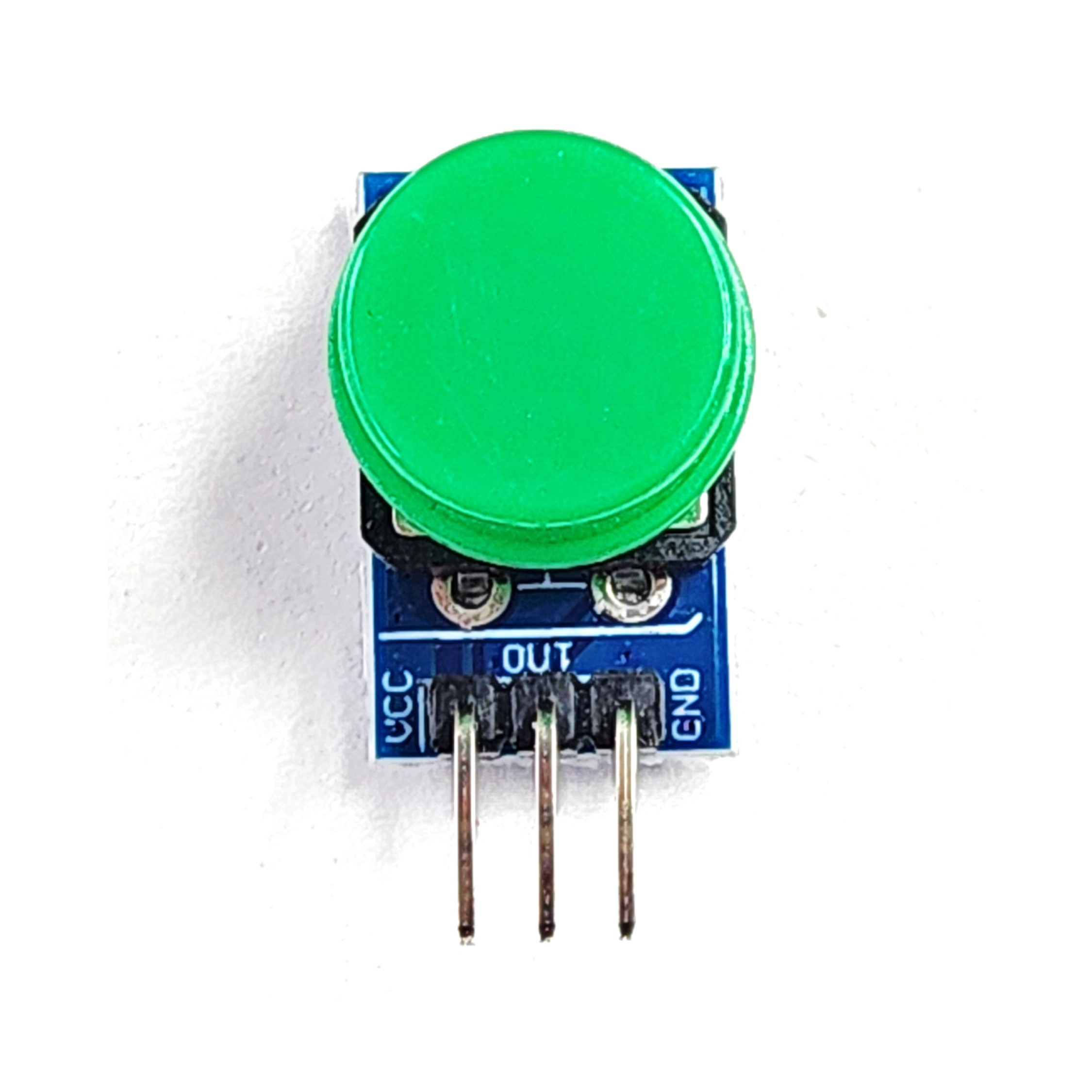
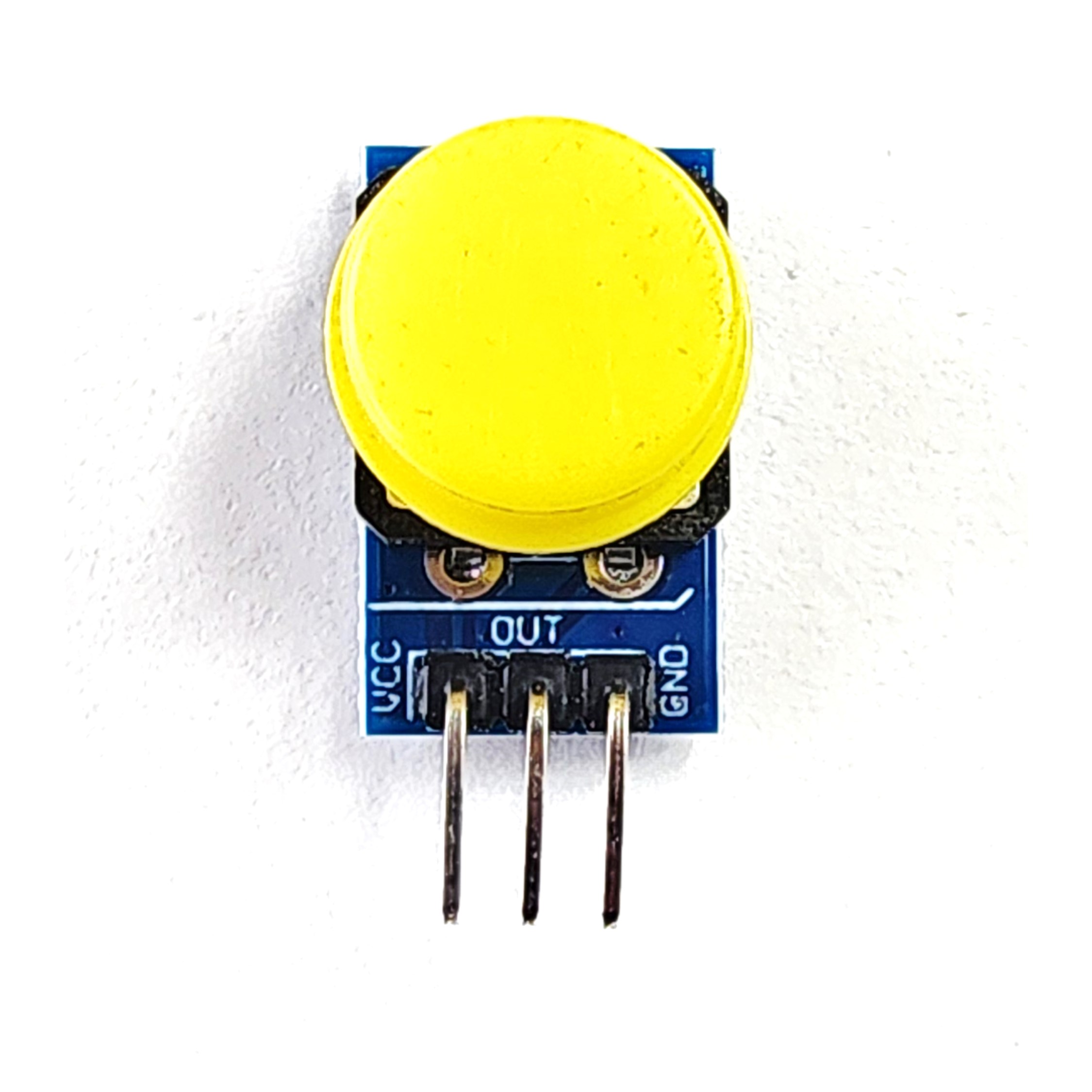
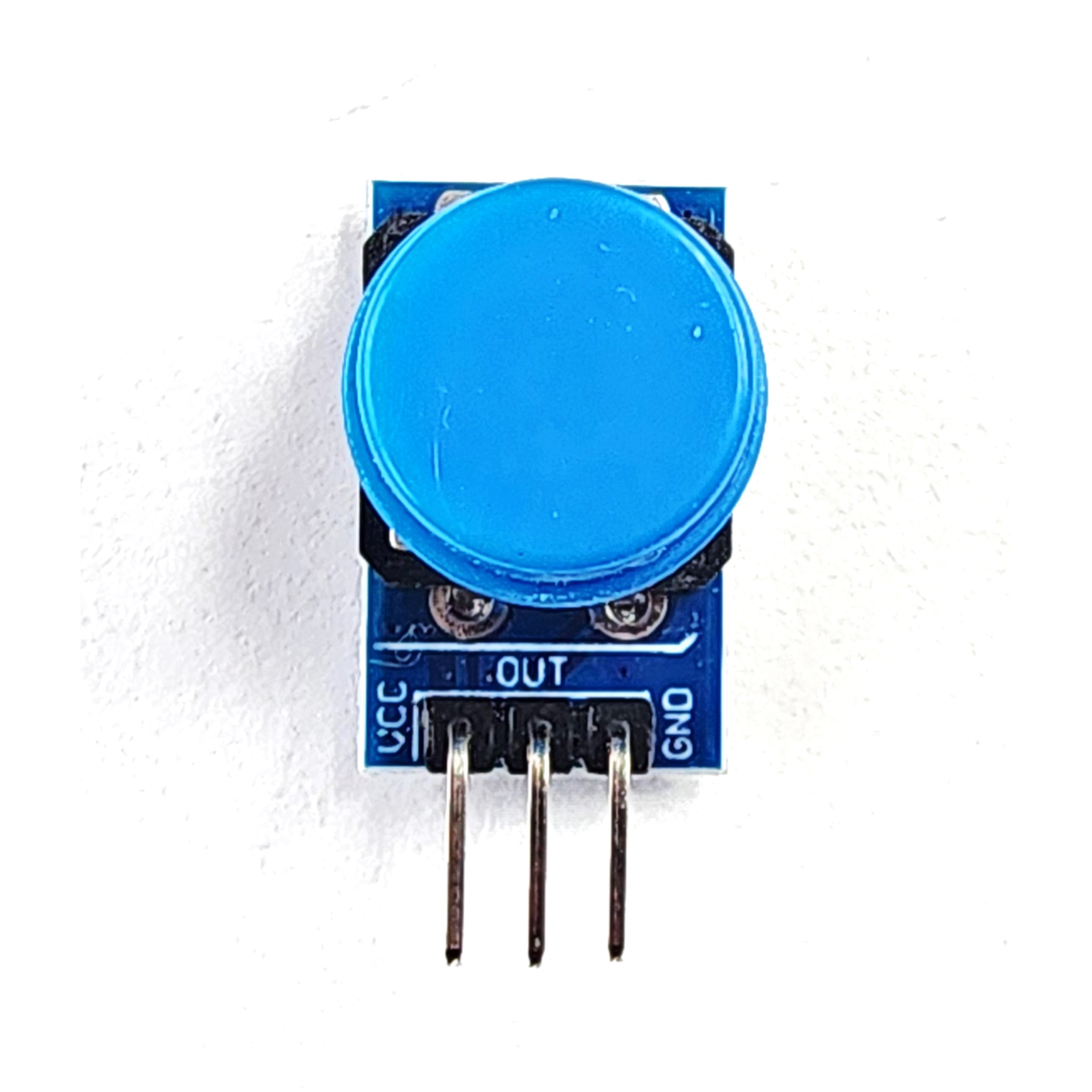
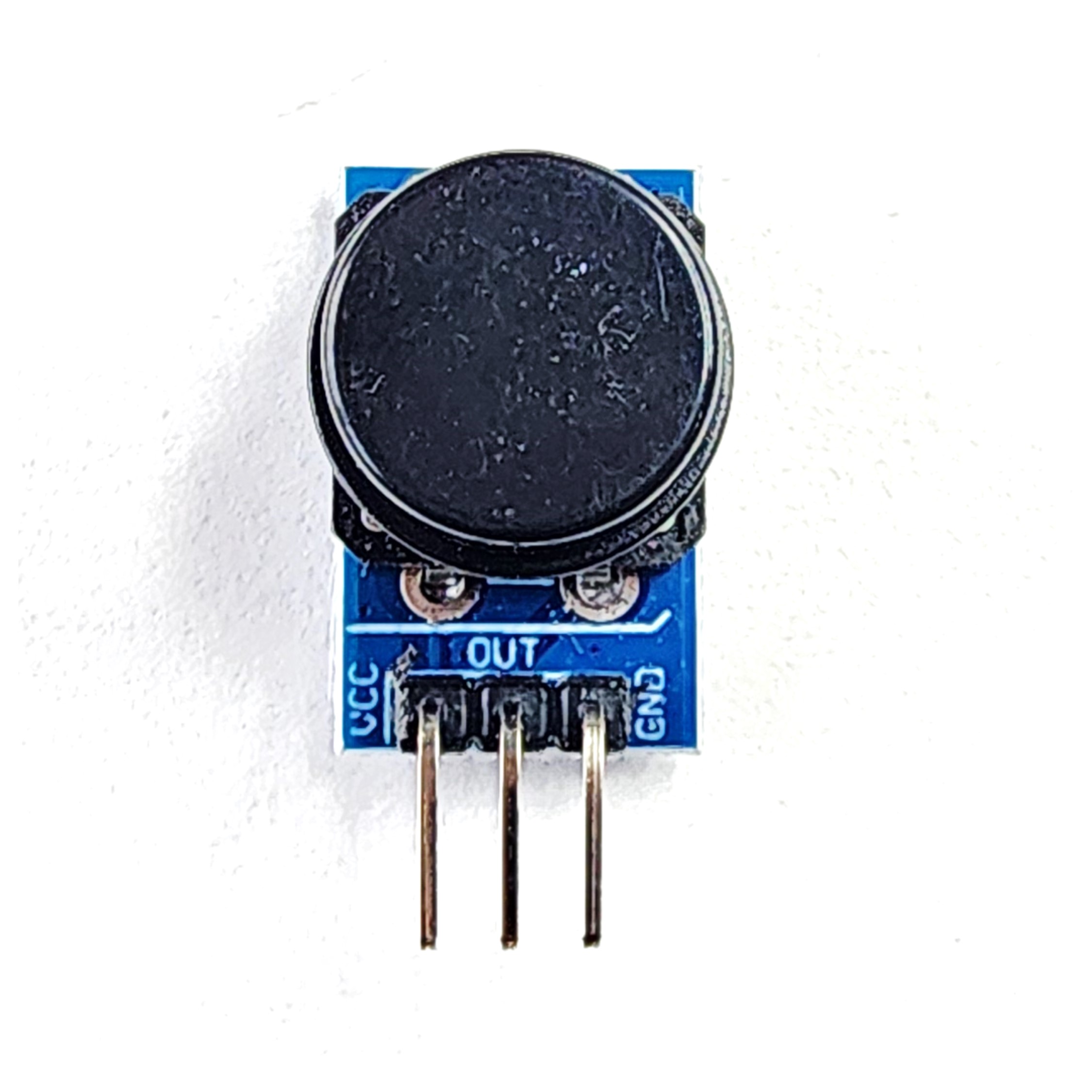
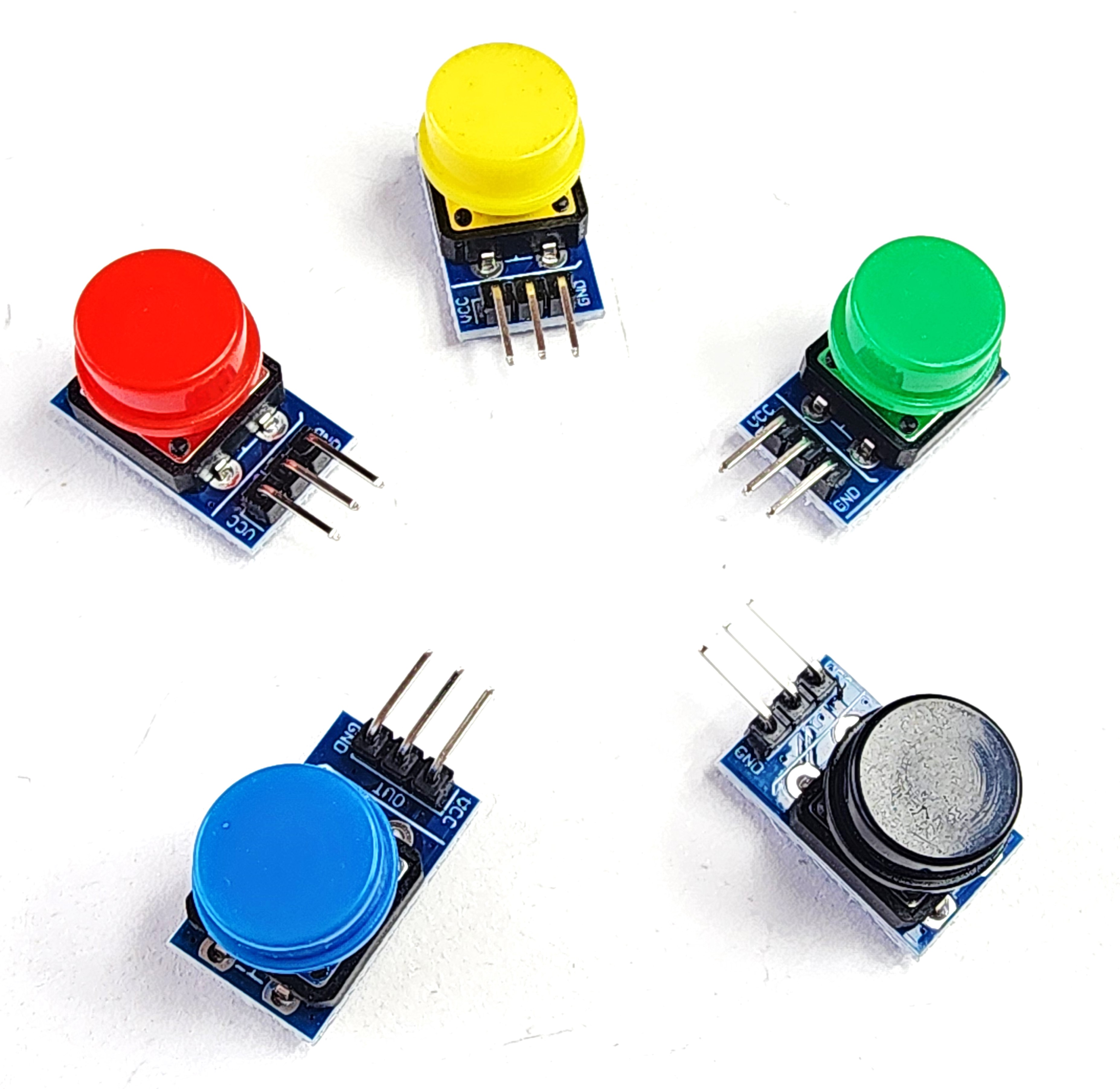
Quick Overview
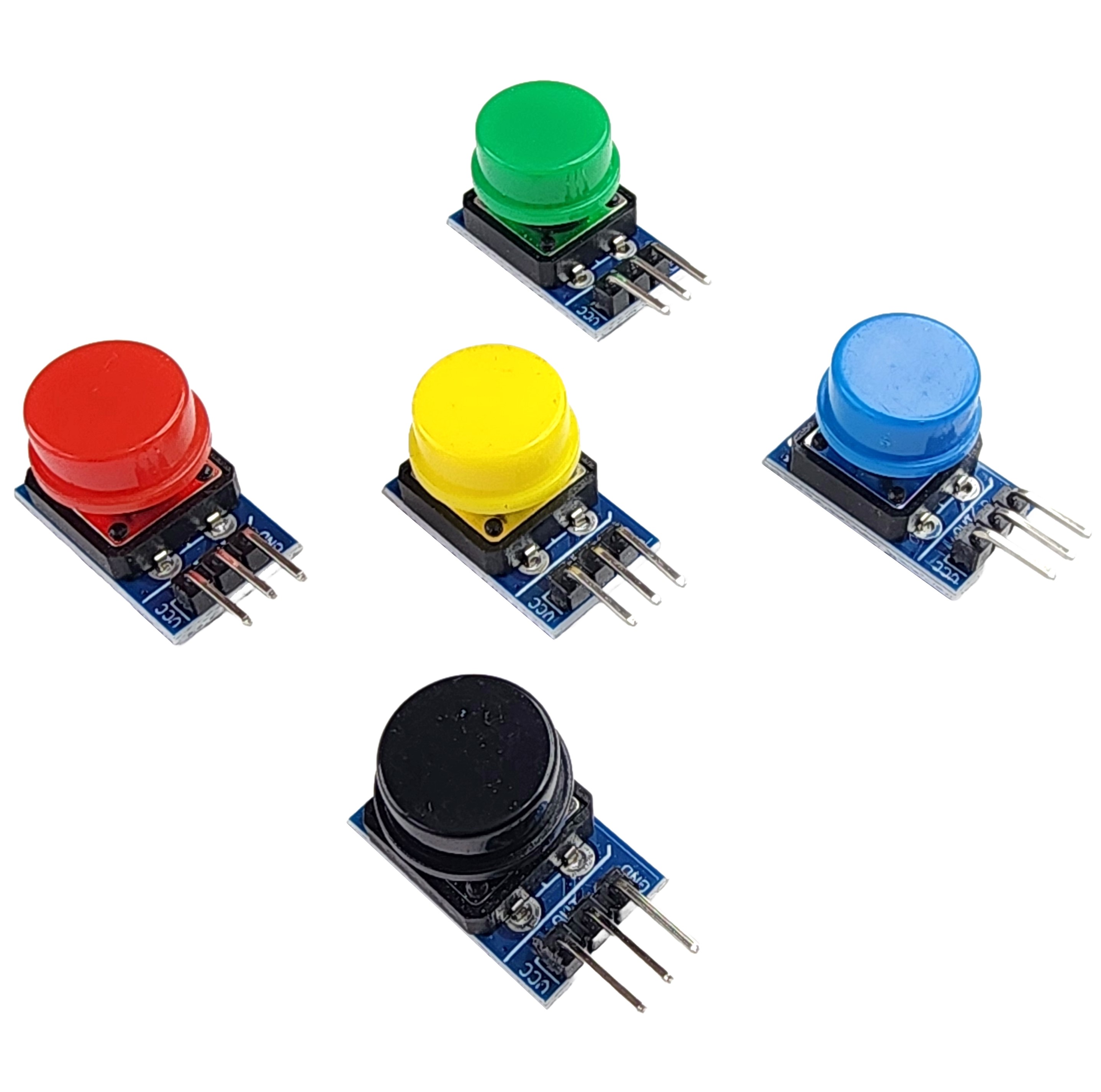
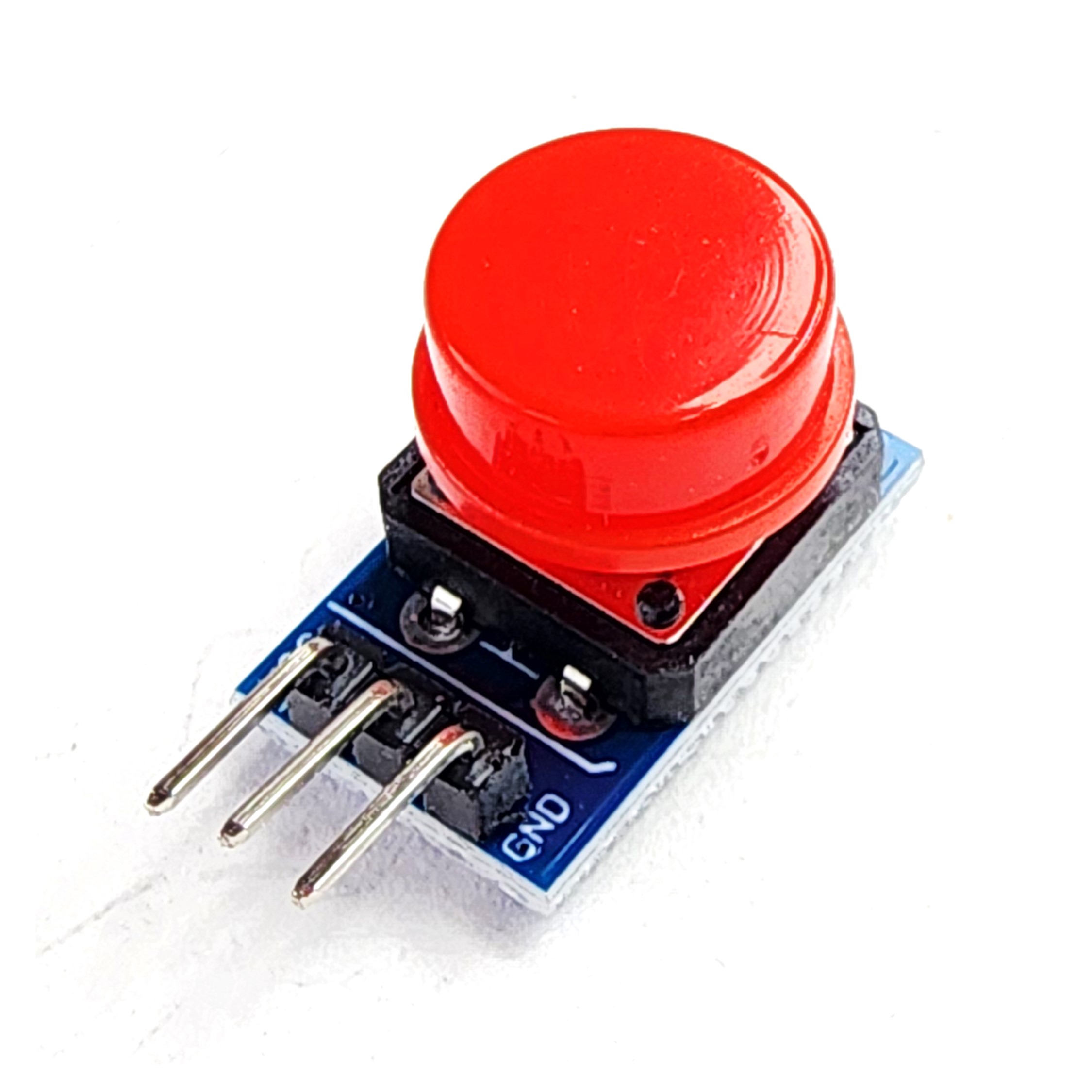
The DIYables button module is a tactile push button switch with a built-in pull-down resistor, making it simple to connect to Arduino, ESP32, ESP8266, Raspberry Pi, and other microcontrollers without additional wiring.

This 5-pack includes five different colors for easy identification when working with multiple buttons in a project. Each button module has a straightforward 3-pin layout and provides stable, reliable switching for user input in robotics, automation, gaming controls, and interactive electronics projects.
Key Features
- Built-In Pull-Down Resistor — Eliminates need for external resistors in wiring
- Direct Connection — Connect directly to microcontroller GPIO via jumper wires
- 5-Pack with Color Coding — Five different colors (red, yellow, green, blue, white) for easy identification
- Reliable Tactile Feedback — Durable construction with stable contacts for dependable button presses
- 3-Pin Layout — Simple GND, VCC, Signal pinout for straightforward connections
- Wide Compatibility — Works with 3.3V-5V microcontrollers (Arduino, ESP32, ESP8266, Raspberry Pi)
- No Breadboard Needed — Jumper wire compatible for quick prototyping
- Beginner Friendly — Easy integration suitable for beginners and advanced makers
- Tutorial Support — Comprehensive tutorials with debounce code examples
- Multiple Buttons — Color coding makes multi-button projects organized and clear
- Compact Design — Small form factor for space-efficient projects
SPECIFICATION
| Specification | Value |
|---|---|
| Product Type | Tactile Button Module |
| Switch Type | Momentary push button (tactile switch) |
| Package Quantity | 5 modules |
| Colors | Red, Yellow, Green, Blue, White |
| Pinout | 3-pin (GND, VCC, Signal) |
| Pull Resistor | Built-in pull-down resistor |
| Operating Voltage | 3.3V - 5V DC |
| Interface | Digital input (HIGH when pressed, LOW when released) |
| Connection | Direct jumper wire or breadboard |
| Button Type | Tactile with audible/tactile feedback |
| Compatibility | Arduino, ESP32, ESP8266, Raspberry Pi, any 3.3V-5V microcontroller |
| Applications | User input, control panels, interactive projects, robotics, automation, gaming |
| Ideal For | Button press detection, user interfaces, menu navigation, game controls, interactive displays |
Tutorials
- Arduino - Button Module
- Arduino UNO R4 - Button Module
- Arduino Uno Q - Button Module
- Arduino Nano - Button Module
- Arduino Nano ESP32 - Button Module
- Arduino Nano 33 IoT - Button Module
- Arduino Mega - Button Module
- Arduino MKR WiFi 1010 - Button Module
- Arduino Giga R1 WiFi - Button Module
- Arduino MicroPython - Button Module
- ESP32 - Button Module
- ESP32-C3 Super Mini - Button Module
- ESP32-S3 - Button Module
- ESP32-S3 Uno - Button Module
- ESP32 MicroPython - Button Module
- ESP8266 - Button Module
- Raspberry Pi - Button Module
- Raspberry Pi Pico - Button Module
COMPATIBLE HARDWARE
- Arduino boards (all models) — User input and control projects
- Arduino Uno R4 WiFi/Minima — Modern Arduino button input
- ESP32 development boards — IoT device control and user interfaces
- ESP8266 boards (NodeMCU, Wemos D1) — WiFi-enabled interactive projects
- Arduino Nano ESP32 — Compact button control projects
- Raspberry Pi (all models) — GPIO button input and interfaces
- Raspberry Pi Pico — Microcontroller button projects
- Breadboards — Prototyping and circuit testing
- Robotics projects — Robot control and navigation buttons
- Gaming controllers — Custom game input devices
- Automation systems — Manual control and override buttons
- Interactive displays — User input for menus and settings
- Control panels — Device control interfaces
- DIY electronics — General-purpose button input
- Educational projects — Learning digital input and debouncing