DIYables D1 Mini NodeMCU Lua WiFi Development Board ESP8266 ESP-12F CH340 for Arduino IDE, Presoldered
 Click to zoom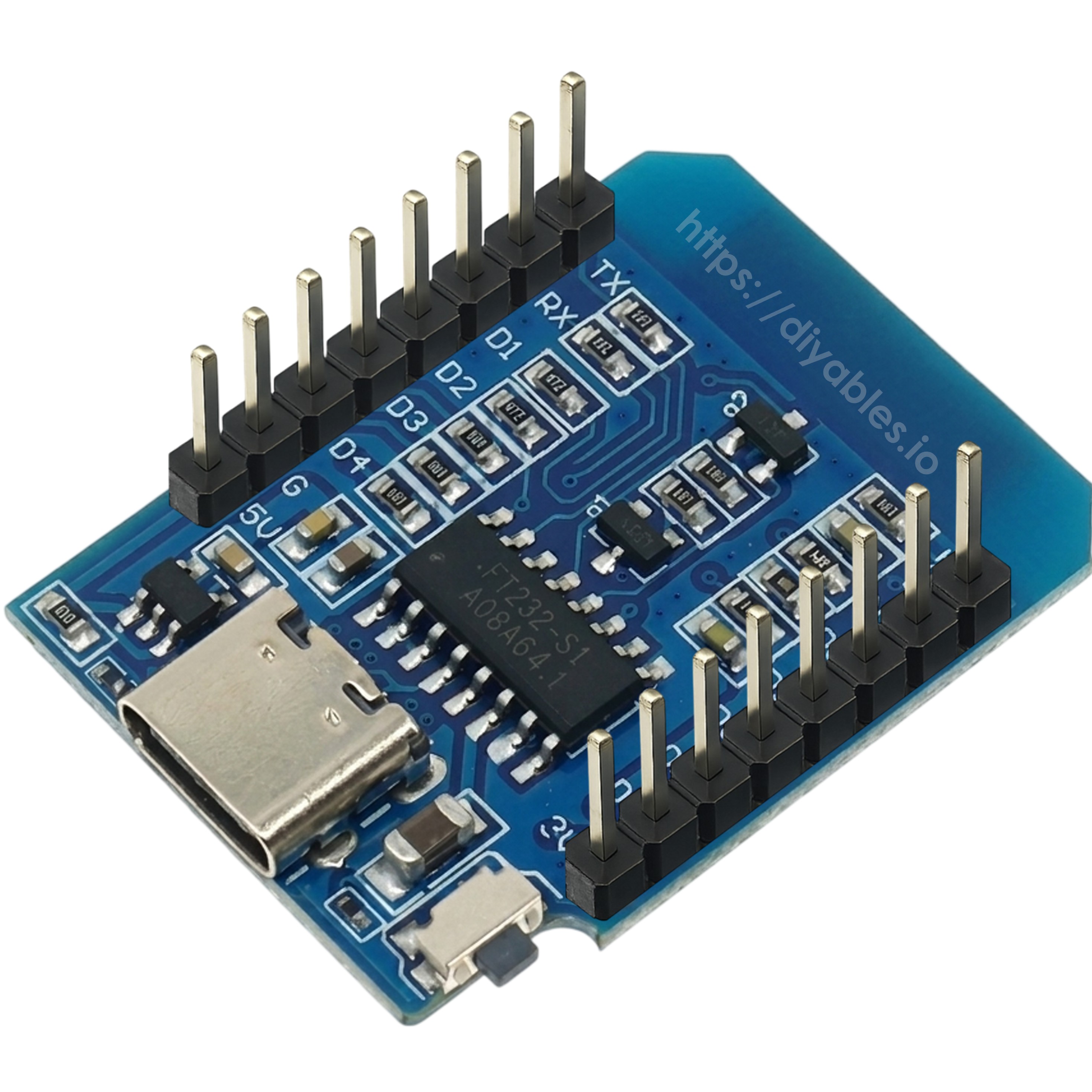
Quick Overview
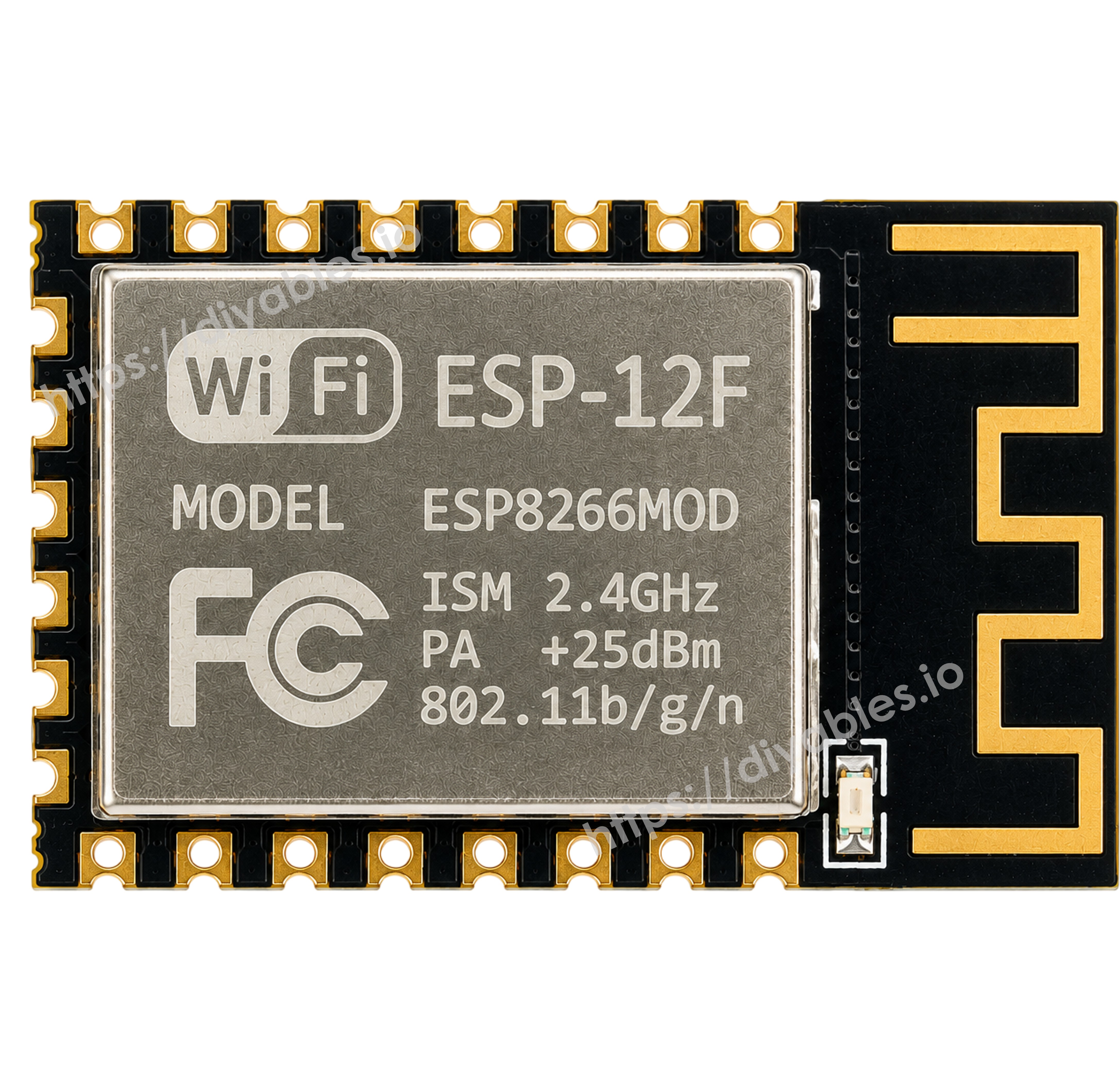
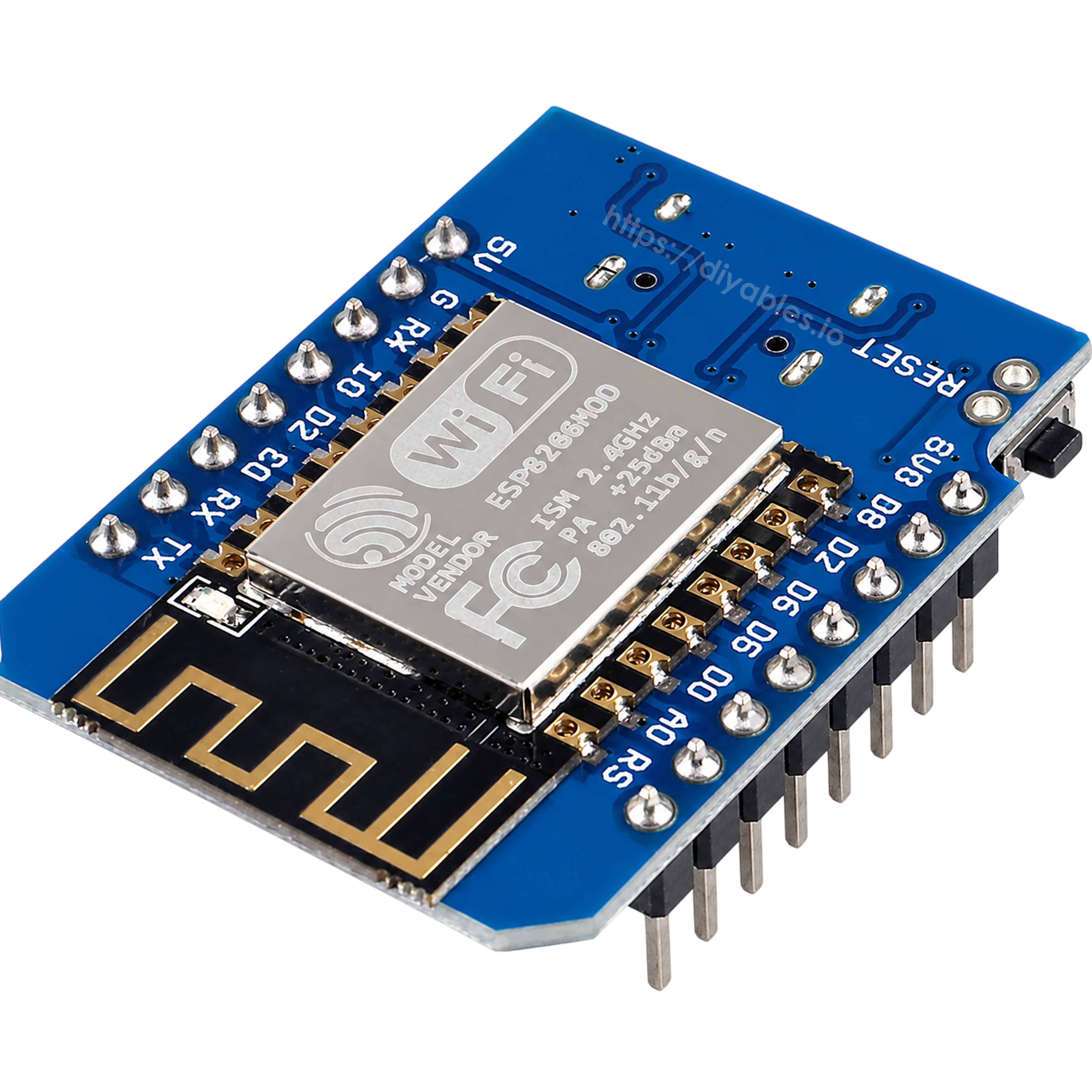
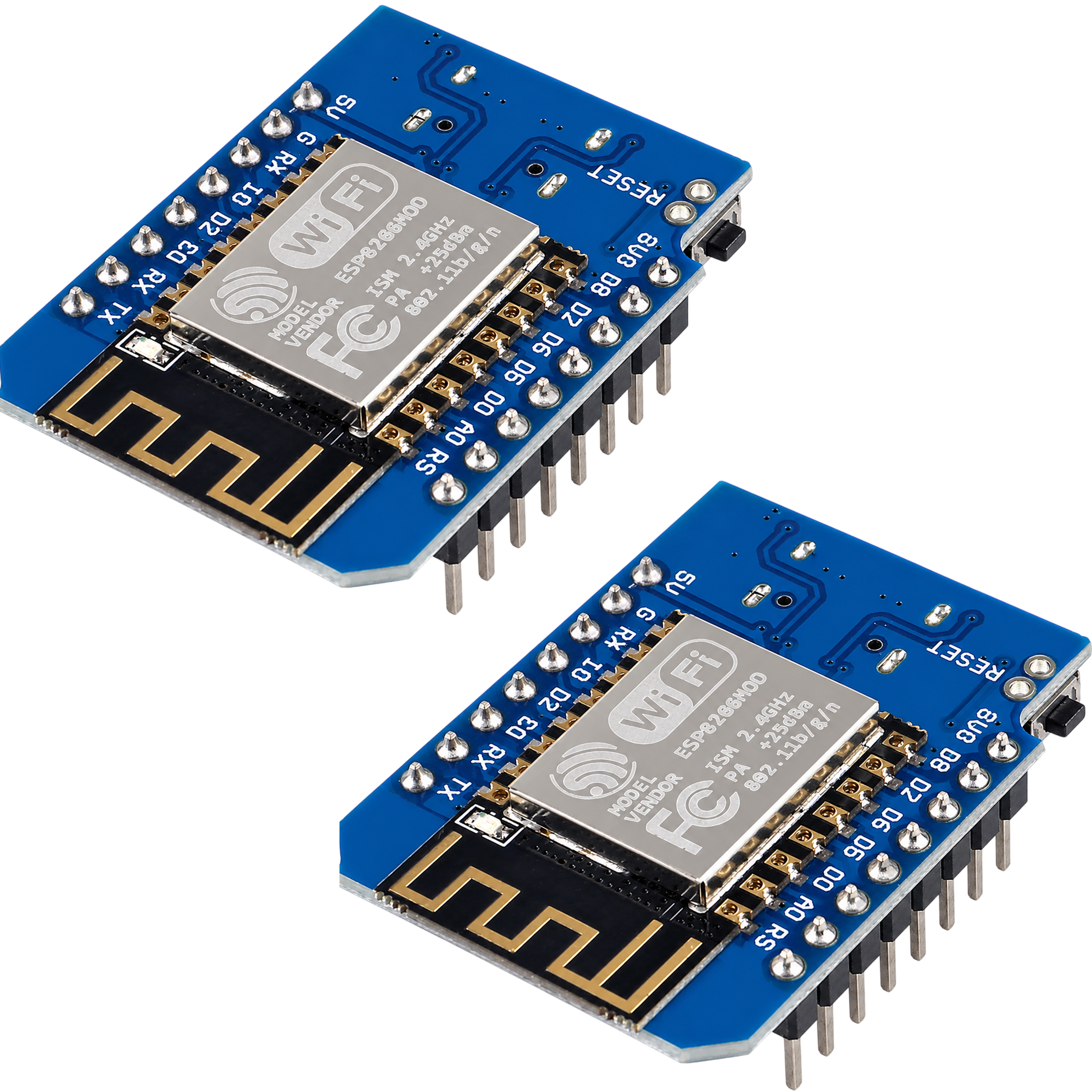
This DIYables D1 Mini NodeMCU development board is built around the ESP8266 ESP-12F chip, delivering reliable WiFi connectivity for IoT automation, wireless control, and smart home applications. Equipped with a CH340 USB-to-serial chip, the board connects easily to Arduino IDE for stable programming and code upload. Header pins come presoldered, so the board is ready to plug into a breadboard or connect to wires straight out of the box.
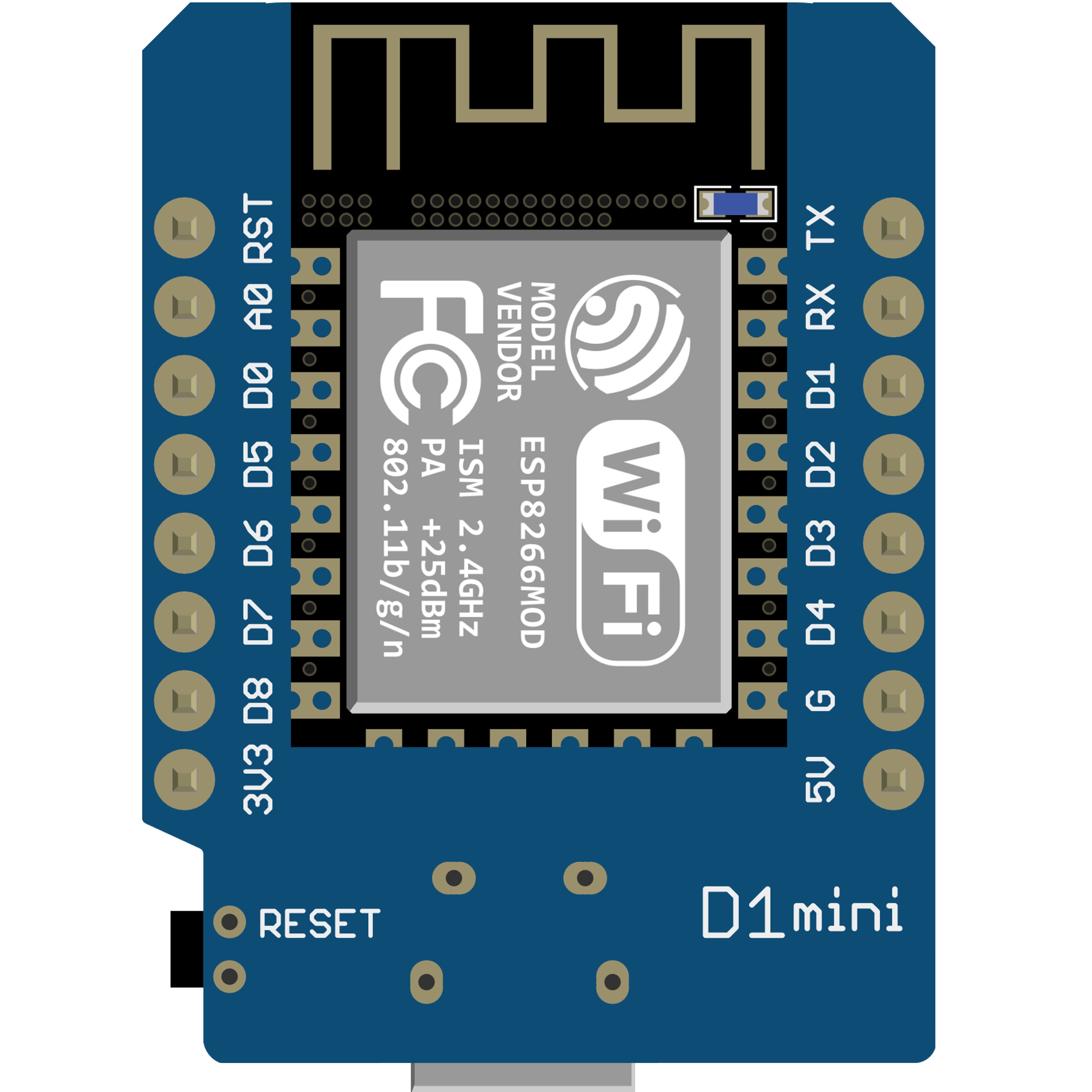
The compact D1 Mini form factor packs 11 digital I/O pins supporting PWM, I2C, and interrupt functionality, plus 1 analog input, into a small footprint ideal for space-constrained projects. Onboard 4 MB flash provides ample storage for firmware and data. Compatible with Arduino IDE (C/C++) and Lua scripting via NodeMCU firmware, this board suits a wide range of development styles. This 2-pack includes two complete presoldered boards, offering great value for multi-node networks or keeping a spare on hand.
Ideal for DIY electronics, smart home devices, wireless sensor nodes, STEM education, and hobbyist IoT projects. Works with the extensive library of ESP8266-compatible sensors, displays, and modules available across the Arduino and NodeMCU ecosystems.
Key Features
- ESP8266 ESP-12F WiFi Module — Built with ESP8266 ESP-12F chip for reliable WiFi connectivity in IoT automation and wireless projects
- CH340 USB-to-Serial Chip — Features CH340 interface for stable programming and easy connection with Arduino IDE development
- Presoldered Ready to Use — Header pins are presoldered for quick breadboard setup and easy wiring without extra soldering
- 11 Digital I/O Pins — Supports 11 digital I/O pins with PWM, I2C, and interrupt capabilities for flexible project expansion
- 1 Analog Input — Onboard ADC for reading analog sensors and voltage levels
- 4 MB Onboard Flash — Ample storage for firmware, files, and application data on each board
- Arduino IDE Compatible — Supports C/C++ programming in Arduino IDE for quick prototyping and upload
- Lua Scripting Support — Compatible with NodeMCU Lua firmware for lightweight scripting on ESP8266
- Compact D1 Mini Form Factor — Small footprint fits easily into enclosures and space-constrained projects
- 2-Pack Value — Includes two presoldered boards ideal for DIY electronics, smart home, and STEM projects
SPECIFICATION
| Specification | Value |
|---|---|
| Product Type | WiFi Development Board (D1 Mini NodeMCU) |
| Microcontroller | ESP8266 ESP-12F |
| Clock Speed | 80 MHz (up to 160 MHz) |
| WiFi Connectivity | 802.11 b/g/n (2.4 GHz) |
| USB-to-Serial Chip | CH340 |
| Operating Voltage | 3.3V |
| Input Voltage | 5V via Micro-USB |
| Digital I/O Pins | 11 (with PWM, I2C, interrupt support) |
| Analog Input | 1 (A0, 10-bit ADC) |
| Flash Memory | 4 MB |
| Header Pins | Presoldered |
| Programming Support | Arduino IDE (C/C++), Lua (NodeMCU firmware) |
| Form Factor | D1 Mini compact layout |
| Communication | WiFi 802.11 b/g/n, UART, SPI, I2C |
| Package Quantity | 2 pieces |
| Compatibility | Arduino IDE, NodeMCU Lua, ESP8266-compatible environments |
| Applications | IoT automation, smart home, wireless sensors, STEM education, DIY electronics |
PACKAGE
A package includes:
| Qty | Items |
|---|---|
| 2 | D1 Mini NodeMCU ESP8266 Development Boards (presoldered) |
Tutorials
COMPATIBLE HARDWARE
- Arduino IDE (Windows, Mac, Linux) — Select "LOLIN(WEMOS) D1 mini" or "Generic ESP8266" as the board type
- Lua/NodeMCU firmware — Native Lua scripting environment for lightweight ESP8266 projects
- 3.3V sensors and modules — Direct connection to GPIO pins
- 5V modules — Use a level shifter for voltage compatibility
- Breadboards — Presoldered headers plug in directly without additional soldering
- USB cable (Micro-USB) — For programming and power supply
- D1 Mini shields and expansion boards — Compatible with the Wemos D1 Mini shield ecosystem
- Any WiFi-enabled platform — Works alongside Arduino, ESP32, or Raspberry Pi in networked projects